Brace Support Levels: Mild Stabilization Explained
Discover Effective Wrist Braces for Ideal Wrist Pain Relief and Support
Wrist pain is an usual issue that affects numerous individuals, coming from different reasons such as recurring stress or injuries. Finding the ideal wrist brace can make a considerable distinction in managing this pain. Various kinds provide differing degrees of support, providing to particular requirements and conditions. Recognizing the features that improve comfort and security is crucial. Pain Relief. What alternatives exist for those seeking relief? The exploration starts right here
Understanding Wrist Pain: Causes and Signs And Symptoms
Although wrist pain can emerge from numerous resources, recognizing its reasons and symptoms is vital for effective administration. Generally, wrist pain can be connected to repetitive strain disorder, joint inflammation, fractures, or tendonitis. Recurring activities, such as keying or playing sports, may result in inflammation and pain. Joint inflammation, especially osteo arthritis and rheumatoid joint inflammation, can cause chronic discomfort and stiffness in the wrist joint. Cracks commonly happen due to falls or crashes, triggering serious and instant discomfort, swelling, and minimal flexibility. Tendonitis, swelling of the tendons around the wrist, can manifest as pain during activity and inflammation upon touch. Signs going along with wrist discomfort might include swelling, warmth, and minimized series of motion. Recognizing these signs and symptoms and their prospective underlying causes permits individuals to seek prompt clinical intervention and discover suitable therapy alternatives for alleviation and recuperation.
The Significance of Appropriate Wrist Support
Correct wrist support plays an essential function in stopping further injury and promoting recovery. By stabilizing the wrist, braces can reduce stress on impacted areas, permitting for healing. This support is essential for people taking care of persistent discomfort or recovering from an injury.
Stopping More Injury
Wrist support plays an important function in avoiding further injury for people experiencing pain or stress. Proper wrist supports support the joint, restricting too much motion that can get worse present conditions such as tendonitis or carpal tunnel disorder. By providing targeted support, these braces aid to distribute stress evenly throughout the wrist, minimizing the risk of irritating nerves and tendons. Furthermore, they encourage correct placement throughout tasks, which is essential for keeping wrist wellness. Individuals participating in repeated motions, such as keying or sports, especially gain from wearing supportive braces. In general, incorporating wrist support into day-to-day regimens can substantially reduce the chances of additional injury, enabling people to keep their tasks while prioritizing their wrist health and wellness.
Enhancing Healing Process
Effective wrist support is important for enhancing the recuperation procedure complying with an injury or pressure. Proper wrist braces supply stability and immobilization, enabling the damaged area to heal without unnecessary movement. They help in reducing pain and swelling, making it possible for people to take part in recovery exercises earlier and more properly. Additionally, sufficient support lessens the risk of re-injury during recovery, cultivating an extra efficient healing atmosphere. The right wrist brace can also encourage proper positioning and stance, which are vital for optimal healing. As cells fixing, putting on a proper brace assurances that motions stay within a risk-free range, assisting in steady conditioning and flexibility. Generally, buying efficient wrist support considerably adds to an effective rehab trip.
Kinds Of Wrist Braces: Which One Is Right for You?
When choosing a wrist brace, people should consider their particular support level needs and the activities they take part in. Different dental braces provide differing levels of stability and versatility, customized for distinct uses. Understanding these variables can help in choosing the most suitable option for effective pain alleviation.
Support Degree Demands
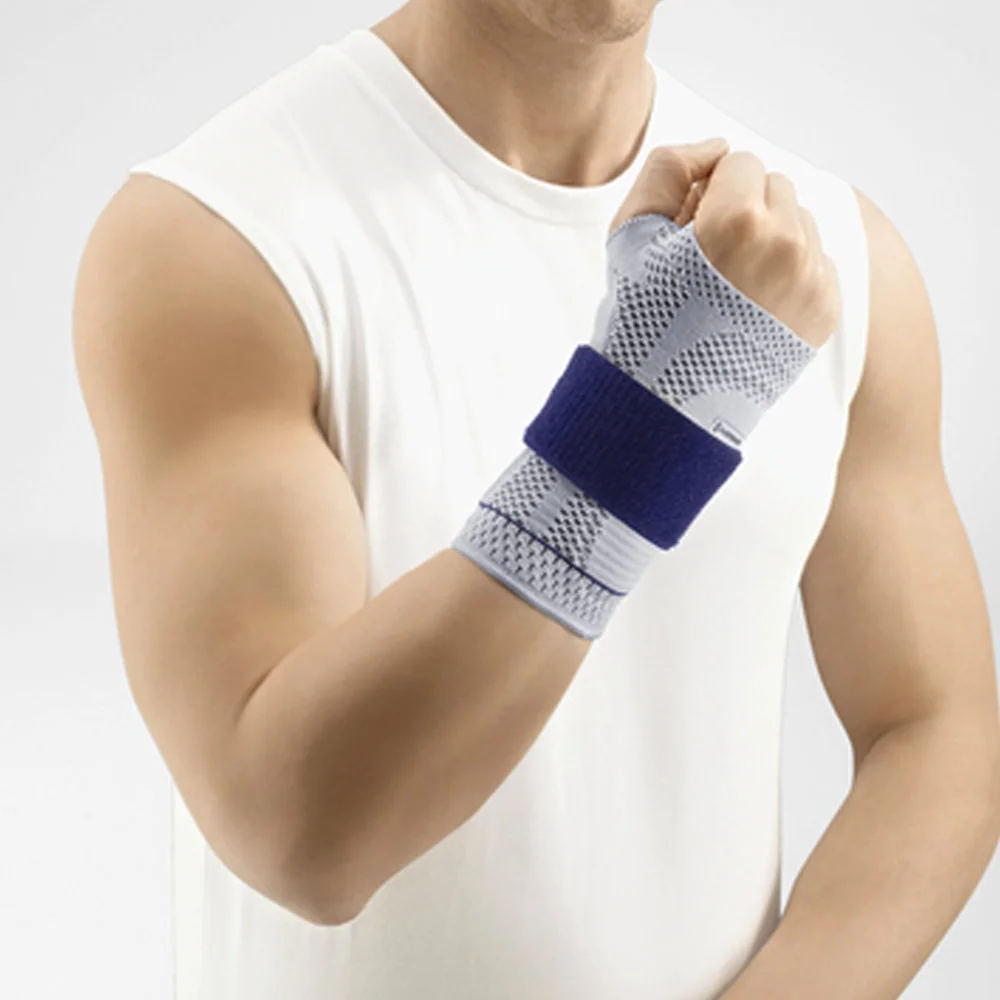
Picking the appropriate wrist brace entails recognizing the differing levels of support they offer, which can significantly affect discomfort alleviation and recuperation. Wrist braces normally fall right into three classifications: moderate, moderate, and optimal support. Light support dental braces, commonly made from elastic or breathable products, supply flexibility and appropriate for small stress or post-injury healing. Modest support choices supply added security, usually including splints, making them optimal for even more considerable injuries or problems like tendonitis. Maximum support braces are immobilizing and inflexible, created for severe injuries, fractures, or post-surgical recovery. People must examine their specific needs and get in touch with medical care specialists to assure they select a support that aligns with their support demands for ideal outcomes.
Activity-Specific Options
Choosing the proper wrist brace extends beyond simply support degrees; it additionally involves considering the certain tasks that might worsen wrist read this pain or need defense. For those participated in sports, lightweight dental braces with versatile products supply support without restricting movement, perfect for professional athletes. Office employees, on the other hand, might gain from ergonomic braces designed to alleviate strain from repetitive movements. For individuals with chronic conditions, more inflexible alternatives offer stability throughout day-to-day tasks. Furthermore, braces designed for evening usage can aid immobilize the wrist, promoting healing while sleeping. Understanding the needs of numerous tasks permits individuals to choose a wrist brace customized to their way of living, making certain optimum convenience and defense.
Features to Search for in a Wrist Brace
Although lots of wrist braces are offered on the marketplace, not all use the same level of support and comfort. When selecting a wrist brace, numerous vital functions should be thought about to guarantee suitable discomfort alleviation. First, the material is crucial; breathable materials enhance comfort during long term use. In addition, adjustable bands provide a personalized fit, allowing for differing degrees of compression and support. A support with a stiff or semi-rigid splint can maintain the wrist successfully, especially for those recouping from injury. Considering the brace's size and layout is important, as it needs to accommodate the customer's certain needs without limiting motion exceedingly. Very easy upkeep and cleanable materials add to the total durability and health of the brace. By concentrating on these features, people can select a wrist brace that not only reduces pain yet likewise promotes healing and performance.
Top Advised Wrist Braces for Discomfort Alleviation
Numerous choices stand out in the market today when view website it comes to discovering effective wrist braces for pain alleviation. The Mueller Green Fitted Wrist Brace is extremely related to for its flexible design and environmentally friendly materials, supplying both support and comfort. Another popular option is the Futuro Evening Wrist Sleep Support, made particularly for nighttime usage, providing immobilization to relieve pain throughout remainder. The Copper Compression Wrist Sleeve is lauded for its light-weight fit and the mixture of copper, which might enhance recuperation and minimize swelling. For those requiring much more inflexible support, the BraceUP Wrist Support flaunts a dual-splint layout, guaranteeing stability during everyday tasks. Ultimately, the Vive Wrist Brace provides flexibility with its removable splint, accommodating both support and flexibility. Each of these wrist supports has gathered favorable testimonials, making them top suggestions for people looking for reliable pain alleviation.
Exactly How to Appropriately Use a Wrist Brace
Exactly how can one assure the proper fit and function of a wrist brace? It is essential to select the right size, as a support that is too tight or as well loose can hinder its efficiency. Gauging the circumference of the wrist and referring to the manufacturer's sizing graph can help in this procedure.
Next off, when putting on the brace, one ought to verify that the wrist is positioned correctly, straightening it with the brace's support framework. The brace must cover the wrist without restricting blood circulation; consequently, the bands ought to be tight but not excessively tight.
In addition, the brace must permit for slight movement while providing adequate support. It's crucial to comply with the producer's instructions for adjustments and use duration to improve convenience and performance. Correctly using a wrist brace can markedly contribute to ideal wrist discomfort alleviation and support.
Tips for Managing Wrist Discomfort Along With Brace Use
While wearing a wrist brace can considerably alleviate discomfort, integrating extra approaches can improve total wrist health and wellness. Initially, exercising routine stretching and strengthening workouts can enhance versatility and support the wrist's recuperation - Brace. Mild activities, such as wrist circles or finger bends, may minimize rigidity and advertise blood flow
In addition, using helpful site ice or heat might give momentary relief from inflammation or discomfort. Ice bag can be made use of for intense discomfort, while warmth can relieve chronic concerns.
Keeping appropriate functional designs in everyday activities is essential (Wrist Braces). Adjusting workstations to promote a neutral wrist setting can stop further strain
Enabling for ample rest is crucial; overuse can intensify pain, also with a brace. Stabilizing remainder with activity, along with these methods, can lead to boosted wrist feature and minimized discomfort gradually.
Regularly Asked Questions
Can Wrist Braces Be Used Throughout Sports Activities?
Wrist dental braces can certainly be used during sports activities. They provide support and security, helping to minimize and protect against injuries discomfort. Athletes often use them to enhance efficiency while securing their wrists from strain or influence.
How much time Should I Put On a Wrist Brace Daily?
A wrist brace should usually be used for several hours day-to-day or as advised by a medical care expert. Continuous usage may offer superior support, however it's essential to balance with durations of mobility for excellent recovery.

Exist Any Type Of Adverse Effects of Wearing Wrist Braces?
Using wrist dental braces can bring about potential negative effects such as skin inflammation, lowered circulation, muscle weak point, or dependence on the brace. Appropriate usage and breaks are important to reduce these concerns and advertise healthy and balanced wrist function.
Can I Rest With a Wrist Brace On?
Yes, one can rest with a wrist brace on. Many find it helpful for support and discomfort relief throughout the night, although convenience degrees might differ. It's recommended to speak with a medical care specialist for individualized recommendations.
How Do I Clean and Preserve My Wrist Brace?
To maintain a wrist and clean brace, hand wash it in moderate soap and warm water, then air dry totally away from direct warm. Regular assessment for damage warranties proceeded support and performance.
Picking the best wrist brace involves recognizing the differing degrees of support they give, which can greatly influence discomfort relief and healing. Choosing the proper wrist brace expands past simply support levels; it additionally entails thinking about the specific activities that might intensify wrist pain or require security. Next off, when putting on the brace, one ought to verify that the wrist is located appropriately, straightening it with the brace's support framework. While using a wrist brace can significantly minimize pain, incorporating extra methods can boost total wrist health and wellness. Putting on wrist dental braces can lead to potential side results such as skin irritability, decreased circulation, muscle mass weakness, or reliance on the brace.